
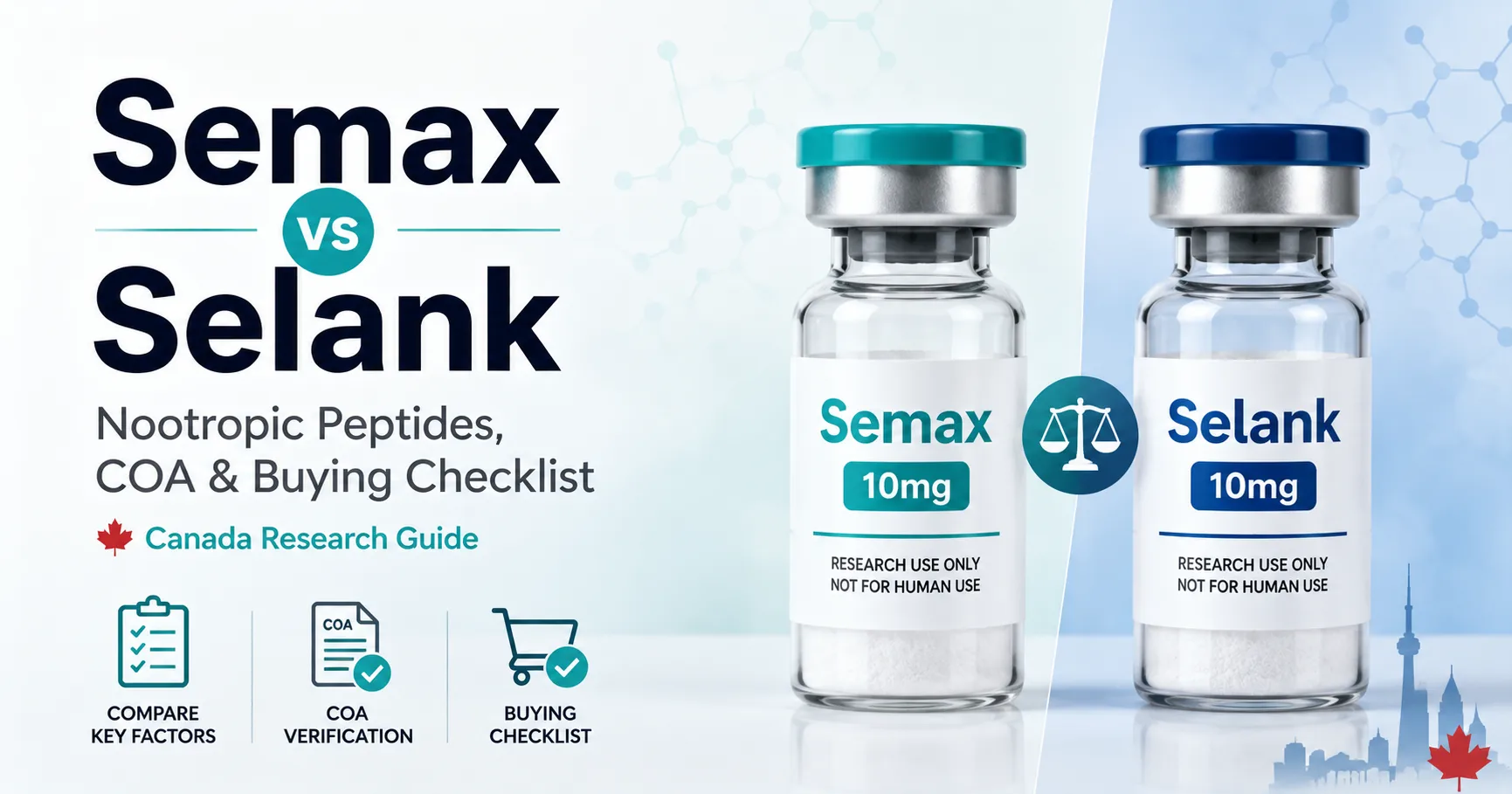
Semax vs Selank: Nootropic Peptides, COA & Buying Checklist
Quick answer: Semax and Selank are short peptides developed in Russia and studied for effects on the nervous system — Semax in relation to cognitive and neuroprotective pathways, Selank in relation to anxiety-related and immune pathways. Semax is a registered medicine in Russia; neither is approved by Health Canada. As with any peptide, quality is judged by a batch-specific COA showing HPLC purity and mass spec identity.
Semax and Selank are frequently compared because they emerged from the same line of Russian peptide research and are both studied for effects on the nervous system — but they’re distinct molecules with different mechanisms and research focuses. Here’s how they compare, plus how to evaluate quality through documentation.
What they are
Both are short synthetic peptides developed at the Russian Academy of Sciences, designed as more stable analogs of naturally occurring peptide fragments.
Semax is derived from a fragment of ACTH (adrenocorticotropic hormone), modified for stability. It’s studied largely in the context of cognitive and neuroprotective pathways.
Selank is derived from a fragment of a naturally occurring peptide called tuftsin, also modified for stability. Its research focus leans toward anxiety-related and immune-modulating pathways.
A notable point of context: in Russia, Semax is a registered medicine for certain neurological indications, and Selank has also been studied clinically there. That’s a more developed status than most research peptides, though it’s specific to that regulatory system.
How the mechanisms differ
The two act on different pathways, which is the core of the comparison:
Semax is studied in relation to BDNF (brain-derived neurotrophic factor) and related neurotrophic signaling — pathways involved in neuron growth, maintenance, and protection. Its research interest centers on cognition and neuroprotection.
Selank is studied in relation to GABAergic and serotonergic pathways and the regulation of a peptide involved in anxiety signaling, as well as effects on immune-related markers. Its research focus leans toward anxiety-related processes.
So while both are nervous-system peptides, they’re studied for different things through different mechanisms.
Side-by-side comparison
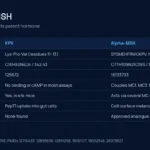
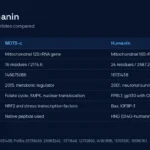
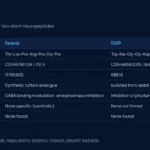
| Semax | Selank | |
|---|---|---|
| Derived from | ACTH fragment (modified) | Tuftsin fragment (modified) |
| Main research focus | Cognition, neuroprotection | Anxiety-related, immune pathways |
| Associated pathway | BDNF / neurotrophic signaling | GABA/serotonin, anxiety-peptide regulation |
| Russian regulatory status | Registered medicine | Clinically studied |
| Health Canada status | Not approved | Not approved |
What the research does and doesn’t establish
A fair reading: both have a real research literature, much of it Russian and including some clinical work — more than many peptides marketed online can claim. The mechanisms are studied and biologically plausible.
That said, much of the strongest research is in a single regulatory tradition and not always replicated to the standards regulators elsewhere require, and a lot of the confident claims that circulate online outrun the published evidence. “Studied in relation to” is not “proven to produce.” Read claims about either compound critically.
Regulatory status in Canada
Neither Semax nor Selank is approved by Health Canada as a drug or licensed as a natural health product. Their Russian status doesn’t carry over. Material sold as “research use only” is, by definition, outside the approved-medicine framework — it hasn’t been through the evaluation that establishes safety and efficacy for general use in this jurisdiction.
Reading a COA for Semax or Selank
For either compound, quality comes down to documentation. A legitimate COA is batch-specific, not a generic reused PDF.
Header details
- Product name (Semax or Selank) and sequence
- Batch or lot number matching the physical product label
- Test date, recent and plausible
- Named testing lab, ideally independent
HPLC purity
- A purity percentage, ideally 98% or higher
- The actual chromatogram, not just a stated number
Mass spec identity
- An observed molecular weight matching the expected weight for the sequence — this matters especially when comparing two similar-sounding peptides, since it confirms you have the right one
Verification
- Match the batch number to your product
- Confirm the lab exists and is named
- Watch for reused COAs across batches
You can review available COA records here, and the Semax and Selank listings should show stated purity, form, and batch details.
Quality checklist
| Element | What to confirm |
|---|---|
| Batch number | Matches the physical product |
| Test date | Recent and plausible |
| HPLC purity | 98%+, with a visible chromatogram |
| Mass spec | Observed weight matches expected |
| Lab | Named, independent, verifiable |
| Form | Lyophilized stores better than solution |
| Batch-specific | Not reused across products |
Frequently asked questions
What’s the difference between Semax and Selank?
Both are short Russian-developed peptides acting on the nervous system. Semax (from an ACTH fragment) is studied for cognition and neuroprotection via BDNF-related pathways; Selank (from a tuftsin fragment) is studied for anxiety-related and immune pathways.
Are Semax and Selank approved in Canada?
No. Neither is approved by Health Canada. Semax is a registered medicine in Russia, but that status doesn’t transfer.
Is the research on them solid?
Both have a genuine research literature including clinical work, mostly within the Russian regulatory tradition. The mechanisms are plausible, but many online claims outrun the published evidence — read them critically.
What purity should a COA show?
For research applications, 98%+ with an HPLC chromatogram, plus mass spec confirmation of identity.
Why does mass spec matter when comparing similar peptides?
It confirms molecular identity by matching weight to the expected value — important for distinguishing two similar-sounding peptides and confirming you have the right one.
Research-use disclaimer: products discussed are supplied for research and laboratory use only. They are not intended for human or animal consumption, diagnosis, treatment, disease prevention, therapeutic use, or personal use.